




Blockchain was supposed to make things simpler.
That was the original promise. Fewer middlemen. Clear rules written into code. Systems that anyone could verify, even if they did not fully trust the people running them. Over time, that idea attracted developers, businesses, and everyday users who believed blockchains could reduce friction rather than add to it.
Yet today, many users open a wallet and feel the opposite.
Before making a simple transaction, they are asked to choose between multiple networks, bridges, rollups, fees, confirmation speeds, and security tradeoffs. The experience feels less like a breakthrough technology and more like navigating a maze.
This tension has brought a serious question into focus.
Are Layer 2 networks solving blockchain’s biggest problems, or are they quietly making the ecosystem too complicated for its own good?
The answer is not simple. Layer 2 networks exist for real and valid reasons. At the same time, they introduce new layers of abstraction that many users struggle to understand. To judge whether this complexity is a necessary phase or a long-term risk, it helps to look at why Layer 2 networks exist, what they fix, and what they unintentionally break along the way.
Table of Contents
Why Blockchains Needed Layer 2 Networks in the First Place
At the base level, most blockchains were never designed to handle global scale.
Early networks prioritized decentralization and security. Transactions were processed slowly on purpose, so that many independent nodes could verify each step. This design made systems resilient, but it also limited throughput.
As blockchains gained popularity, these limits became obvious. Networks clogged during periods of heavy use. Transaction fees spiked. Simple actions like sending tokens or interacting with applications became expensive and unpredictable.
Layer 2 networks emerged as a response to this bottleneck.
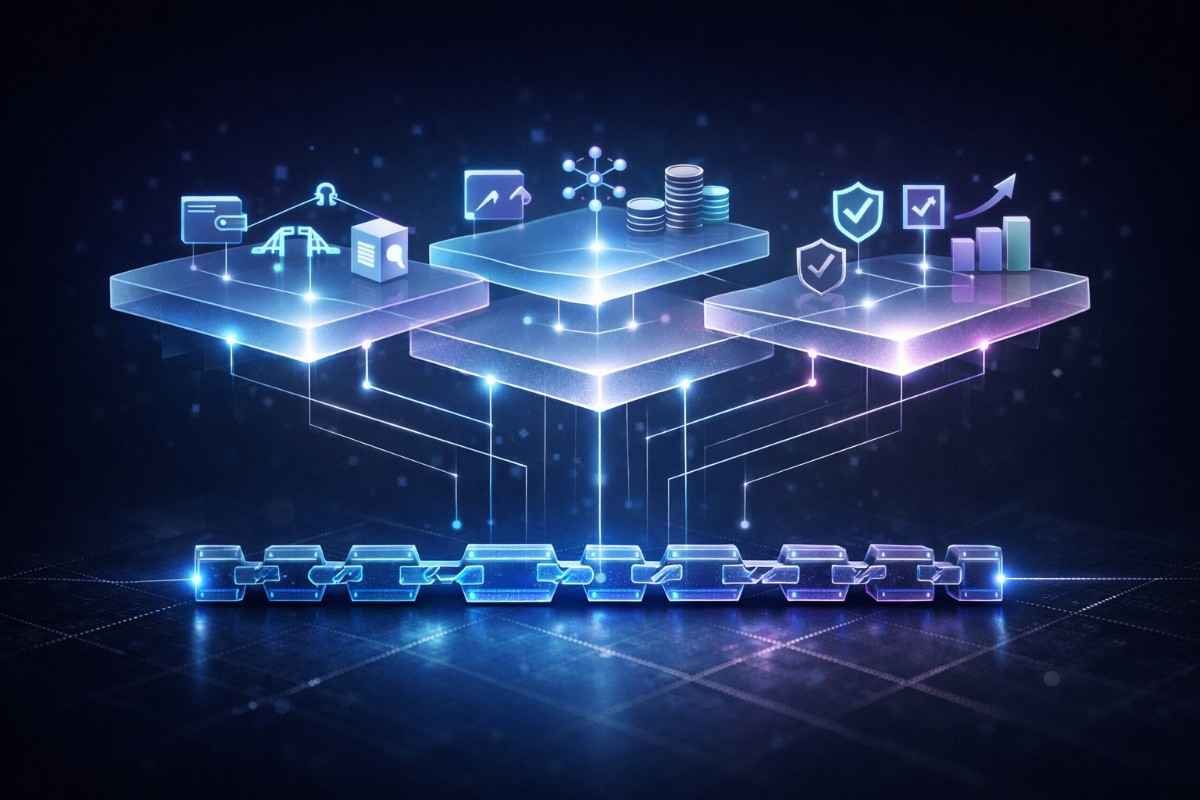
Instead of processing every transaction directly on the main blockchain, Layer 2 solutions handle activity off the main chain and then settle the final result back on it. This approach reduces congestion, lowers fees, and allows far more transactions to occur without sacrificing the security of the underlying network.
In theory, it is an elegant compromise.
In practice, it adds new moving parts.
What Layer 2 Networks Actually Do, in Simple Terms
Despite the technical language surrounding them, most Layer 2 networks aim to solve the same problem.
They bundle transactions together.
Instead of every action being confirmed individually on the main chain, Layer 2 systems process many actions at once, then submit a summary to the base layer. This makes transactions cheaper and faster while relying on the main blockchain for final settlement.
Different Layer 2 designs approach this in different ways. Some use rollups that post compressed data on the main chain. Others rely on separate validation mechanisms with periodic checkpoints. The technical differences matter for developers, but for users, the promise is similar.
Lower fees. Faster confirmations. Better scalability.
That promise explains why Layer 2 adoption has grown so quickly.
Where the Complexity Starts to Show

The moment a user has to ask, “Which network am I on?” complexity has already entered the picture.
Layer 2 networks fragment the user experience. Assets live on different layers. Applications run on specific networks. Wallets must support multiple environments. Bridges are required to move funds between layers, each with its own rules and risks.
For experienced users, this becomes manageable with time. For new users, it often becomes overwhelming.
A simple mistake, such as sending assets to the wrong network or using an unsupported bridge, can result in lost funds or long recovery processes. These errors are not rare. They are a direct result of increased system complexity.
In many cases, users do not even realize they are interacting with Layer 2 networks until something goes wrong.
Security Tradeoffs That Are Hard to Explain
Layer 2 networks inherit security from the base blockchain, but not always in identical ways.
Some systems rely on fraud proofs. Others rely on validity proofs. Some depend on sequencers or operators that introduce elements of trust, even if temporarily. These distinctions matter, especially during network failures or disputes.
For users, understanding these nuances is difficult.
Most people do not evaluate cryptographic assumptions before using an app. They rely on reputation, convenience, and perceived safety. When a Layer 2 network experiences downtime, delayed withdrawals, or governance disputes, trust can erode quickly.
This creates a paradox.
Layer 2 networks exist to improve usability and performance, yet their complexity makes it harder for users to assess risk clearly.
Developers Love Layer 2 Networks, Users Less So

From a developer’s perspective, Layer 2 networks are often a blessing.
They allow applications to scale without pricing out users. They reduce congestion. They open the door to new use cases that would be impractical on base layers alone. Gaming, social applications, and microtransactions become feasible.
From a user’s perspective, the experience can feel fragmented.
Different networks mean different fees, different interfaces, and different assumptions. Instead of one unified blockchain experience, users must learn how to navigate an ecosystem of interconnected systems.
This gap between developer enthusiasm and user comfort is one of the most important tensions in blockchain today.
Are Layer 2 Networks a Temporary Phase or a Permanent Feature?

History suggests that complexity often comes before abstraction.
Early internet users had to configure modems, understand protocols, and troubleshoot connections manually. Over time, those details disappeared behind cleaner interfaces. The same may happen with Layer 2 networks.
Wallets are already improving. Some automatically route transactions through optimal paths. Others hide network choices entirely. Application developers are beginning to design experiences where users never need to know which layer they are using.
If these trends continue, Layer 2 complexity may become largely invisible.
However, this outcome is not guaranteed.
If the ecosystem continues to fragment faster than usability improves, complexity could become a long-term barrier rather than a temporary growing pain.
The Risk of Too Many Layers

Every additional layer introduces coordination challenges.
Upgrades must align across systems. Security assumptions must remain compatible. Governance decisions on one layer can affect others in unexpected ways. When problems occur, diagnosing them becomes harder.
This layered structure also raises philosophical questions.
At what point does a blockchain ecosystem start to resemble the traditional financial systems it aimed to replace? When complexity becomes unavoidable, decentralization can feel more theoretical than practical.
These concerns do not mean Layer 2 networks are a mistake. They mean tradeoffs are becoming more visible.
What Success Would Actually Look Like
Layer 2 networks will succeed not when they become more advanced, but when they become less noticeable.
The ideal outcome is not a user who understands rollups, proofs, and settlement layers. It is a user who does not need to. Transactions should feel intuitive. Errors should be rare and recoverable. Network choices should fade into the background.
Achieving this requires more than technical innovation. It requires design discipline, honest communication about risks, and a willingness to prioritize usability over experimentation.
Conclusion
Layer 2 networks exist because blockchains needed them.
Without scalability solutions, high fees and congestion would have limited adoption long ago. In that sense, Layer 2 networks are not optional. They are necessary.
At the same time, they undeniably make the ecosystem harder to understand.
Whether this complexity becomes a footnote in blockchain history or a lasting obstacle depends on what happens next. If developers succeed in hiding complexity behind thoughtful design, Layer 2 networks may quietly power the next phase of adoption. If not, they risk reinforcing the idea that blockchains are only for specialists.
The future of blockchain does not hinge on whether Layer 2 networks are good or bad. It hinges on whether the industry can make powerful systems feel simple again.
That, more than any scaling metric, will decide whether blockchains reach a wider audience or remain trapped behind their own complexity
Read Also: The Biggest Money Regrets People Admit in Their 40s and What Younger Readers Can Learn

