





Bitcoin is often described as anonymous. At the same time, it is also called one of the most traceable financial systems ever created. Both claims sound convincing, and both are incomplete.
The truth sits somewhere in between. Governments do track Bitcoin. In many cases, they do it quite effectively. But there are also clear limits to what they can see, what they can prove, and where their visibility ends.
Understanding this distinction matters. It affects how regulators approach crypto laws, how exchanges operate, and how everyday users misunderstand privacy on public blockchains. It also helps cut through fear based narratives that suggest every Bitcoin transaction is constantly monitored in real time by authorities.
This article explains how Bitcoin tracking really works, what tools governments rely on, and where Bitcoin still resists full surveillance.
Table of Contents
Why Bitcoin Is Not Anonymous by Design
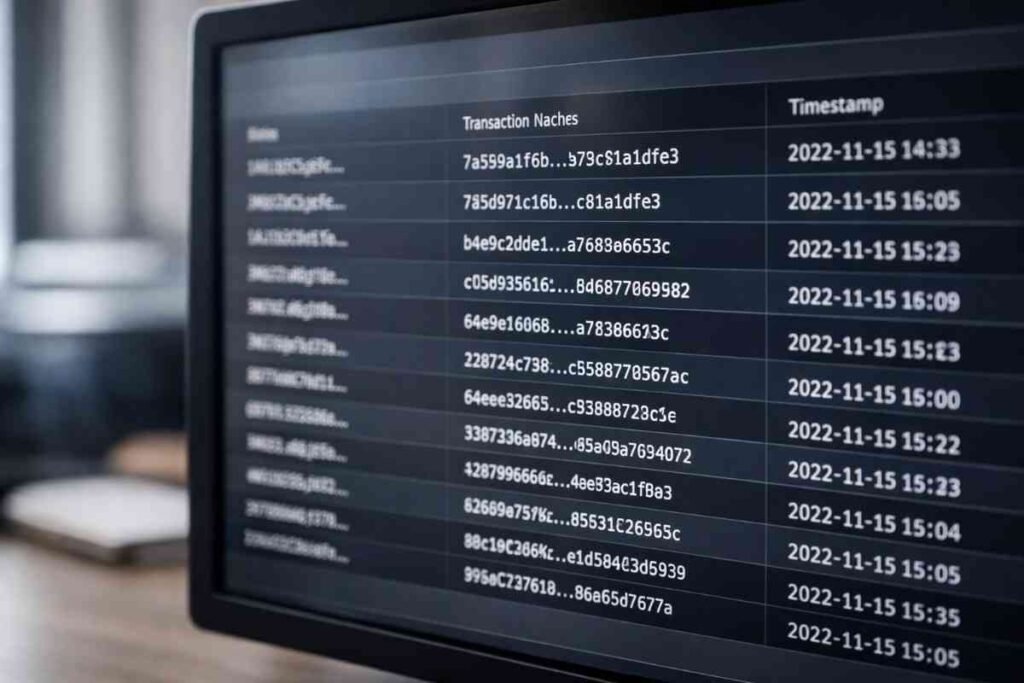
Bitcoin was never designed to be anonymous. It was designed to be transparent.
Every Bitcoin transaction is recorded on a public ledger. Anyone with an internet connection can view it. Wallet addresses, transaction amounts, timestamps, and movement of funds are visible forever.
What Bitcoin does not show is identity. Addresses are strings of characters, not names, emails, or government IDs. This creates pseudonymity rather than anonymity.
Pseudonymity means activity is visible, but the real person behind it is not automatically known. The moment an address can be linked to a person, however, the entire transaction history tied to that address becomes traceable.
This is where government tracking begins.
The Role of Blockchain Analytics Companies
Most governments do not track Bitcoin directly by running complex forensic analysis themselves. They rely heavily on specialized blockchain analytics firms.
Companies like Chainalysis, TRM Labs, Elliptic, and CipherTrace analyze blockchain data at scale. They cluster addresses, detect patterns, and assign risk scores to wallets and transactions.
Their core advantage is context. They collect information from exchanges, darknet investigations, court records, seized wallets, and known service providers. Over time, this creates massive labeled datasets.
When an exchange reports a suspicious address or law enforcement seizes a wallet, that data feeds back into these systems. From there, related addresses are analyzed and grouped.
Governments then use these tools to trace fund flows, identify networks, and support investigations.
How Exchanges Make Bitcoin Trackable

The most effective Bitcoin tracking does not happen on the blockchain itself. It happens at the entry and exit points.
Centralized exchanges are the biggest source of visibility for governments. When users buy, sell, or withdraw Bitcoin from regulated platforms, they typically complete KYC procedures.
KYC ties real world identity to blockchain activity. Once a withdrawal address is associated with a verified user, tracking becomes straightforward.
From that point onward, movements of funds from that address can be followed across the blockchain. If those funds later return to another exchange, investigators can connect the dots.
This is why many Bitcoin investigations focus on exchange records rather than trying to deanonymize the blockchain alone.
Transaction Patterns and Behavioral Fingerprints

Even without exchange data, blockchain activity leaves behavioral traces.
Transactions follow patterns. Wallets behave in predictable ways. Reuse of addresses, transaction timing, fee preferences, and consolidation habits all reveal information.
Analytics firms use clustering heuristics to determine which addresses likely belong to the same entity. For example, if multiple inputs are used in a single transaction, those inputs are probably controlled by one user.
Over time, these patterns build profiles. While they do not always identify a person, they narrow down possibilities and connect related activity.
Governments use these insights to support cases, especially when combined with off chain data like IP logs, device seizures, or informant information.
When Bitcoin Is Easy to Track
There are situations where Bitcoin tracking is highly effective.
If a user buys Bitcoin on a regulated exchange, withdraws it to a personal wallet, and later sends it back to another exchange, tracking is relatively simple.
If funds are involved in ransomware, scams, or hacks that attract law enforcement attention, exchanges often flag and freeze related addresses.
Large transfers also stand out. Significant movements of Bitcoin are visible and often analyzed, especially when they intersect with known services or jurisdictions.
In these cases, Bitcoin is not difficult to trace. It can even be more transparent than traditional banking systems.
Where Bitcoin Tracking Starts to Break Down
Despite its transparency, Bitcoin tracking has limits.
The blockchain shows movement, not intent. It shows addresses, not people. Governments can trace coins, but proving who controls them is harder.
If Bitcoin is acquired without KYC and moved carefully, linking it to a real identity becomes difficult. Peer to peer purchases, mining, or earning Bitcoin for services can reduce initial exposure.
Privacy focused wallet practices, such as avoiding address reuse and managing UTXOs carefully, also reduce clustering accuracy.
Most importantly, Bitcoin does not reveal what happens outside the blockchain. It cannot show private agreements, ownership claims, or control arrangements.
The Impact of CoinJoin and Mixing
CoinJoin transactions deliberately combine inputs from multiple users into a single transaction. This breaks common clustering heuristics.
From a blockchain perspective, it becomes unclear which output belongs to which input. This creates uncertainty, not invisibility.
Governments are aware of CoinJoin usage. Analytics tools flag such transactions as higher risk. Some exchanges restrict or monitor funds that pass through mixers.
However, CoinJoin does reduce certainty. It increases the cost and complexity of tracing. It introduces ambiguity that cannot always be resolved.
This is one of the areas where Bitcoin resists clean attribution, even with advanced tools.
Lightning Network and Off Chain Activity
The Lightning Network adds another layer of complexity.
Lightning transactions are not recorded individually on the Bitcoin blockchain. Only channel openings and closures appear on chain.
Payments within channels are private between participants. Governments cannot see Lightning payments unless they control or monitor nodes involved in the transaction.
While Lightning is not perfectly private, it significantly reduces on chain visibility. For everyday payments, this makes tracking much harder.
As Lightning adoption grows, it shifts more activity away from the transparent base layer.
What Governments Actually Care About
It is important to understand that governments are not trying to track every Bitcoin user.
Their focus is selective. They prioritize large scale crime, tax evasion, sanctions violations, and systemic risk.
Routine transactions between individuals are rarely analyzed unless they intersect with regulated entities or investigations.
This means most Bitcoin activity exists in a gray zone of visibility. It is observable but not actively monitored.
Tracking is reactive, not omnipresent.
Common Myths About Bitcoin Surveillance
One common myth is that governments can instantly identify anyone who uses Bitcoin. This is not true.
Another myth is that Bitcoin is completely untraceable. That is also false.
Bitcoin is best understood as conditionally traceable. Visibility depends on how it is used, where it enters the system, and what behaviors surround it.
Privacy is not automatic. It requires understanding and discipline. Surveillance is not total. It has limits and blind spots.
The Future of Bitcoin Tracking
Tracking tools will improve. Analytics firms continue to refine heuristics and integrate more data sources.
At the same time, privacy tools are also evolving. Wallet software is improving UTXO management. Lightning usage is expanding. Education is increasing.
This creates an ongoing tension between transparency and privacy.
Bitcoin itself remains neutral. It does not favor surveillance or anonymity. It simply records transactions as designed.
How visible those transactions are in real world terms depends on human choices, regulatory frameworks, and technological tradeoffs.
Conclusion
Governments can track Bitcoin, but not in the way many people imagine.
They do not see names attached to addresses by default. They do not monitor every transaction in real time. They rely on exchanges, analytics firms, and legal processes.
Bitcoin is transparent at the protocol level and opaque at the identity level. That combination creates both power and limits.
For users, this means assumptions matter. Treating Bitcoin as fully anonymous is risky. Treating it as fully surveilled is inaccurate.
The reality is more nuanced. And understanding that nuance is essential for anyone engaging seriously with Bitcoin today.
Read Also: Are Layer 2 Networks Making Blockchains Too Complicated?

