




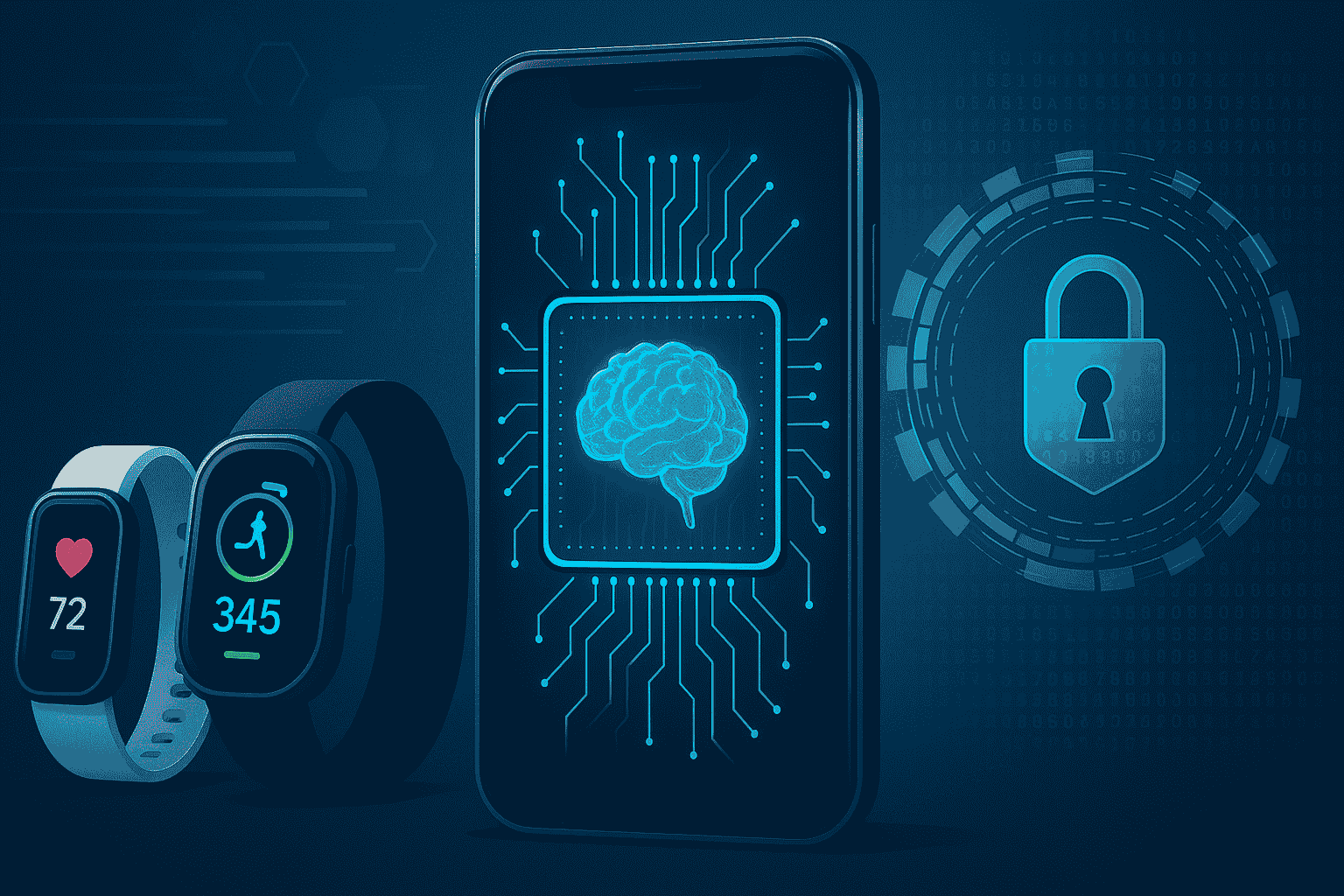
Tether has introduced QVAC Health, a new platform designed to bring fitness and wellness information into a single encrypted dashboard that works entirely on a user’s device. The company says the goal is to give individuals more control over their biometric data at a time when privacy concerns are rising globally.
The platform aggregates information from wearables, nutrition apps and symptom logs without sending data to external servers. Tether said QVAC Health uses on device AI models that run offline to analyze activity levels, meals, sleep patterns and medication notes. The system downloads models through peer to peer channels so that nothing relies on centralized infrastructure.
According to the announcement, QVAC Health includes experimental computer vision tools capable of estimating calories and macronutrients from meal photos. It can also connect those logs with information from multiple fitness trackers to spot trends across recovery, activity or sleep. All processing remains local to the device, which Tether says is a key part of its privacy design philosophy.
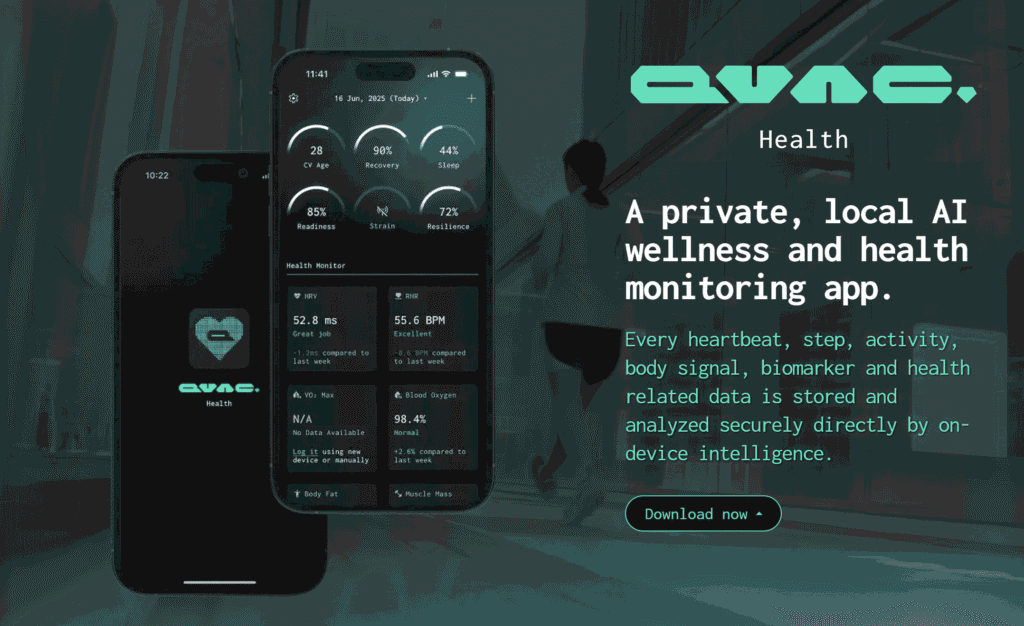
Tether CEO Paolo Ardoino described the app as a neutral ground for wellness data, adding that it reflects the company’s commitment to privacy preserving local intelligence. Upcoming features include direct Bluetooth Low Energy connections that will allow certain wearables to send data straight to the device without using cloud APIs.
Privacy concerns drive new development around Tether
QVAC Health is part of Tether Data’s broader QVAC project, which focuses on building peer to peer AI systems that avoid centralized platforms. The move arrives as concerns about data exposure continue to rise in both the tech and crypto sectors.
Former White House adviser David Holtzman told Cointelegraph in December 2024 that AI enhanced data aggregation and future quantum risks push centralized repositories into vulnerable territory. He noted that models can rapidly assemble behavioral and transactional information that makes it easier to identify individuals, while quantum attacks could eventually break current encryption standards. Holtzman said decentralized systems help reduce those risks by avoiding large data stores.
Industry trends support the shift. The global fitness tracker market was valued at 52.29 billion dollars in 2024 and is expected to reach 189.98 billion dollars by 2032, according to Verified Market Research. Major competitors include Apple, Fitbit, Samsung and Huawei, all of which collect significant user data.
The broader crypto community has also accelerated privacy focused research. In June, Ethereum co founder Vitalik Buterin proposed a pluralistic identity model that allows people to verify eligibility without exposing their full personal details. Fortune reported in December that Circle is working with Aleo on USDCx, a privacy enhanced version of USDC intended to give institutions stronger transaction confidentiality while keeping compliance controls intact.
Interest in privacy oriented cryptocurrencies has also increased, with the Zcash protocol highlighted as one of the beneficiaries of growing surveillance concerns.
Tether said QVAC Health aims to position local AI as the foundation for secure digital wellness tools, supporting a future where sensitive biometric data remains on the device. The company expects demand for privacy centered solutions to grow as health, finance and online identity systems face rising threats.
Read Also: Strategy challenges MSCI policy that may exclude crypto treasury companies from global indexes

