





Authorities in China have renewed pressure on the crypto sector. The People’s Bank of China (PBOC), together with a coalition of government agencies, declared that “virtual-currency speculation has resurfaced,” and signalled a fresh crackdown — specifically emphasising risks tied to stablecoins.
The official statement notes that stablecoins fail to meet essential regulatory standards such as identity verification (KYC) and anti-money-laundering (AML) controls. As a result, the government considers stablecoin-based activity illegal, including trading, transfers and related services.
This move confirms that the 2021 ban on cryptocurrency trading and mining remains strictly enforced — and extends the prohibition to stablecoin-associated activity.
What This Means for Crypto Markets
China’s latest crackdown sends a strong signal to investors and service providers worldwide. With stablecoins under renewed scrutiny, use cases such as cross-border transfers, remittances or trading via offshore exchanges may face higher compliance risk.
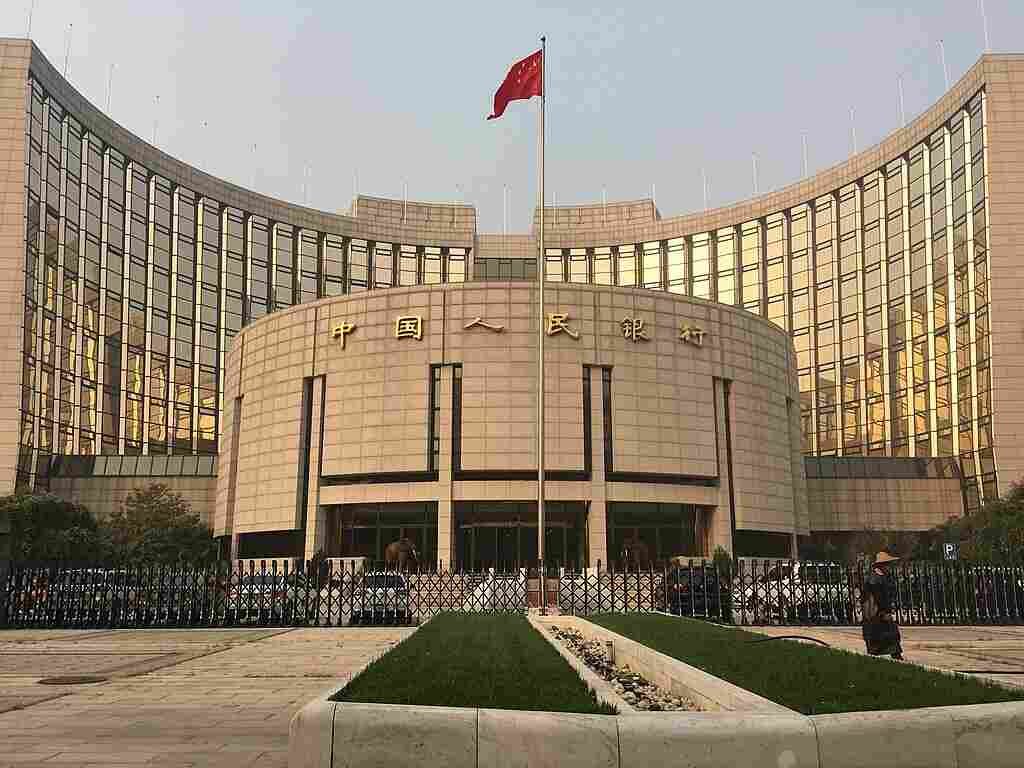
Given China’s previous dominance in mining and trading, the policy move might dissuade some foreign platforms from courting Chinese users or hosting yuan-linked stablecoins. It also adds pressure on global regulators to clamp down on stablecoin misuse, especially regarding money-laundering and illicit cross-border flows.
With stablecoins now firmly in radar, crypto market participants are likely to watch liquidity, capital flows and transaction volume — especially involving Asia-based users — for signs of disturbance.
Read Also: BlackRock IBIT Outflows Hit $2.34B in November — ETF Provider Calls It Normal

