




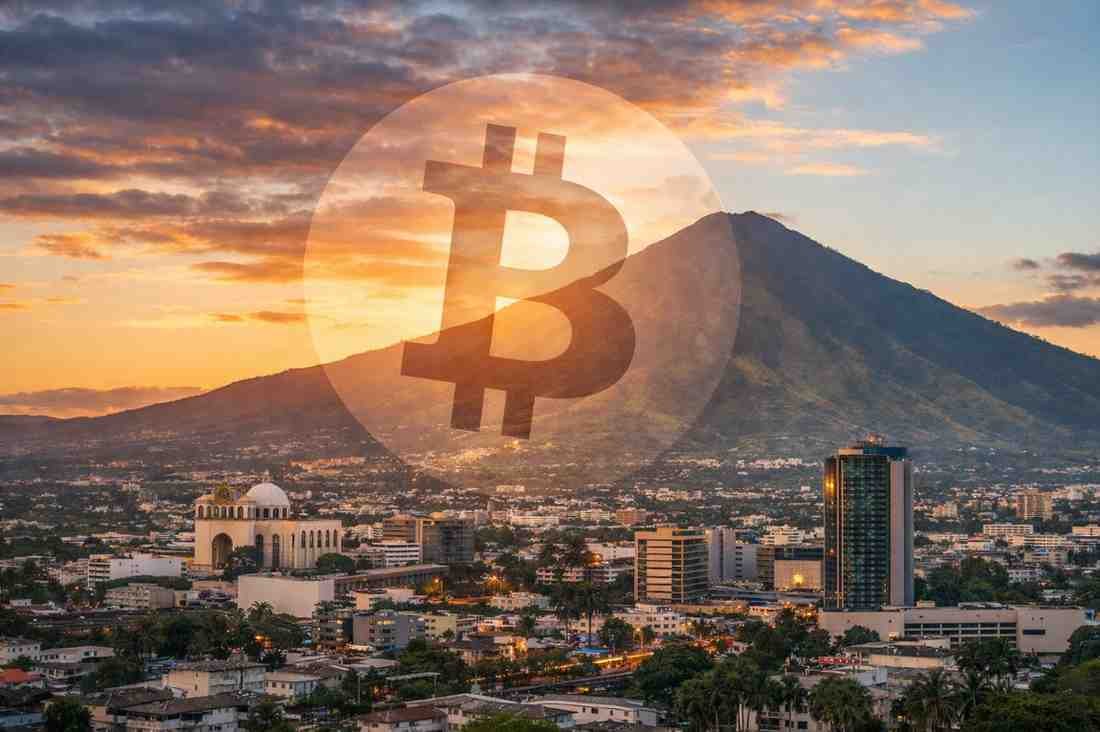
El Salvador made global headlines in 2021 by becoming the first country to adopt Bitcoin as legal tender, betting that a national rollout could boost financial inclusion, tourism, and investment. By 2025, that experiment met economic and political constraints, especially as the government pursued a major International Monetary Fund loan program and faced pressure to reduce public sector exposure to crypto price swings.
The early rollout was built around the government-backed Chivo wallet and a legal requirement that businesses accept Bitcoin. While the program drew international attention, multiple reports from on-the-ground observers and industry analysts described everyday usage as limited, with many Salvadorans trying the wallet for the initial incentive and then returning to dollar-first habits.
El Salvador narrows Bitcoin policy after IMF conditions
The turning point came as El Salvador sought to stabilize public finances through an IMF Extended Fund Facility arrangement worth about $1.4 billion, approved in late February 2025.
In late January 2025, lawmakers fast-tracked reforms to the Bitcoin law that aligned with IMF expectations. The changes made Bitcoin acceptance voluntary for the private sector and reinforced that taxes would be paid in US dollars.
At the same time, questions kept resurfacing over how El Salvador could continue announcing Bitcoin purchases while the IMF program aimed to curb public sector risk. Reuters reported that after the IMF approval, El Salvador publicly disclosed additional Bitcoin buys while also providing assurances related to not increasing Bitcoin holdings at the level of the overall public sector, an area that has prompted debate about definitions and accounting boundaries.
In May 2025, Reuters reported that the IMF reached an agreement under the first review of the program, tied to a roughly $120 million disbursement subject to board approval, underscoring that the funding relationship remained central to the government’s policy choices.
Quick timeline (2025)
| Month (2025) | What happened | Why it mattered |
|---|---|---|
| Jan | Bitcoin law reforms passed, making acceptance voluntary and keeping taxes in USD | Reduced the scope of the Bitcoin mandate |
| Feb | IMF approves the 40-month, ~$1.4B arrangement | Put fiscal targets and risk controls in focus IMF |
| Mar | El Salvador continues announcing Bitcoin buys, compliance debated | Raised questions over how exposure is measured |
| May | IMF first review agreement reported, ~$120M disbursement discussed | Kept pressure on implementation commitments |
Crypto firms still see El Salvador as welcoming
Even as consumer-level adoption cooled, El Salvador continued to market itself as a jurisdiction open to crypto business. In January 2025, Tether said it was licensed in El Salvador, describing the country as supportive of digital asset innovation. Tether Reuters separately reported that Tether and its founders were finalizing a move to El Salvador after securing a local digital asset service provider license.
This mix of tighter public policy and continued pro-crypto signaling has become the defining pattern for El Salvador in 2025: less emphasis on a nationwide Bitcoin payments revolution, more emphasis on regulatory positioning, investment branding, and controlled exposure while international lenders remain involved.

