




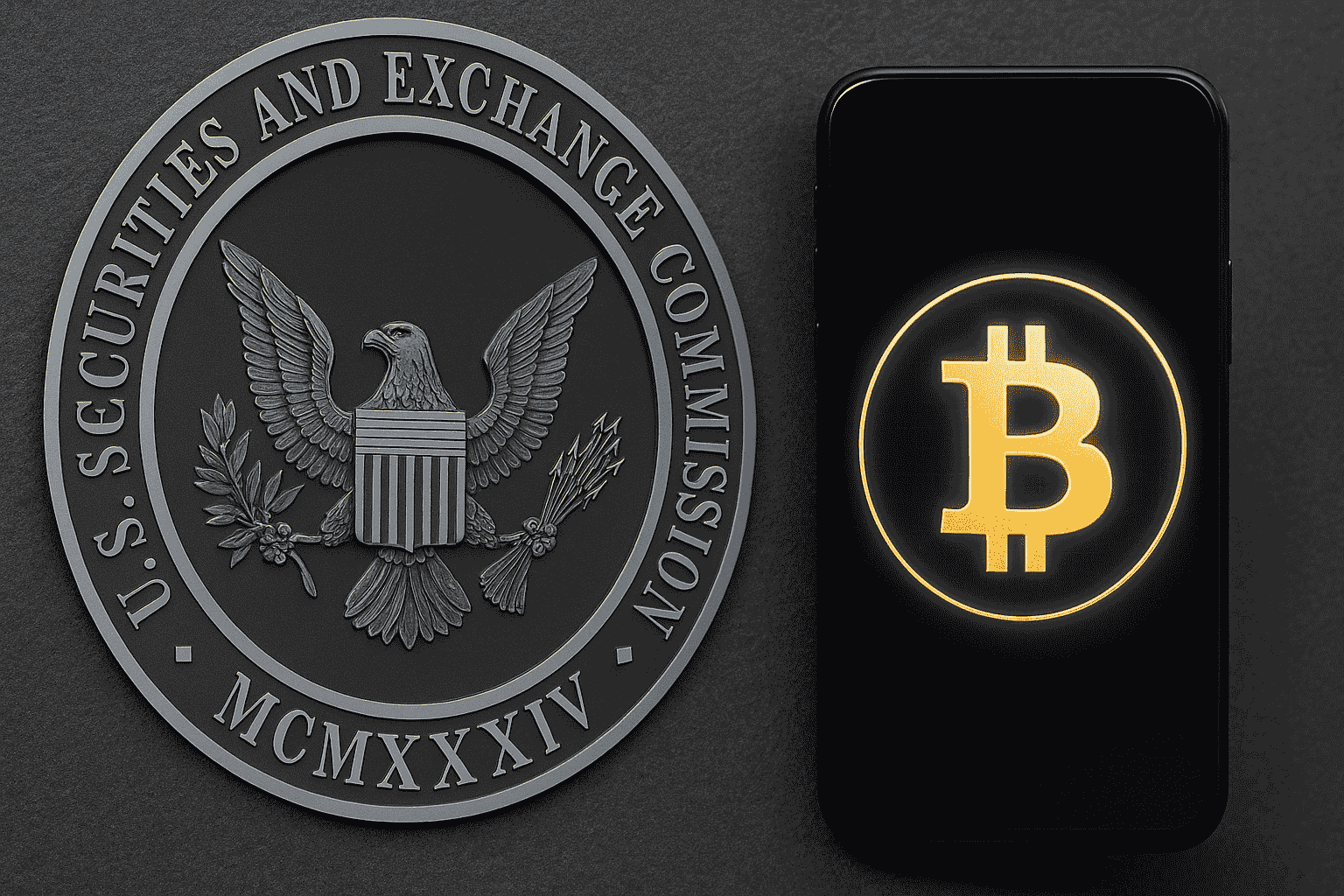
The SEC has published a new investor bulletin focused on crypto wallets and digital asset custody, marking a notable shift in how the regulator engages with the cryptocurrency industry. The guide, released on Friday, explains different methods of storing crypto assets, the risks involved and the questions investors should ask before choosing a custody solution.
According to the SEC, the bulletin is designed to help investors better understand how crypto custody works and how storage choices can affect the safety of their holdings. The agency outlined key differences between self custody and third party custody, emphasizing that each option comes with distinct benefits and risks.
For investors who choose to use third party custodians, the SEC stressed the importance of understanding how service providers handle client assets. The guide advises investors to review custodian policies on asset rehypothecation, a practice where crypto held in custody may be lent out, as well as whether assets are commingled in pooled accounts or held in segregated customer wallets.
The bulletin also breaks down different types of crypto wallets, providing guidance on hot wallets and cold wallets. Hot wallets, which remain connected to the internet, offer convenience and quick access but carry higher exposure to hacking and cybersecurity threats. Cold wallets, which store assets offline, reduce online attack risks but introduce other dangers, such as permanent loss if a device fails, is stolen or if private keys are compromised.
The SEC said investors should carefully weigh these trade offs and consider backup strategies, security practices and recovery options before committing funds to any wallet solution.
Crypto community sees SEC guide as a major regulatory shift
The release of the crypto custody guide reflects a broader transformation at the SEC, which previously maintained a more hostile stance toward digital assets under former chairman Gary Gensler. Members of the crypto community described the bulletin as a major change in tone from enforcement driven actions to investor education.
Truth For the Commoner, a well known crypto education platform, said the same regulator that once tried to shut down the industry is now explaining how to use it safely. Industry leaders echoed that view, saying the guide offers meaningful value to both new and experienced crypto investors.
Jake Claver, chief executive of Digital Ascension Group, said the SEC is providing substantial educational support by explaining custody risks and best practices. His firm advises family offices, many of which are exploring crypto exposure while seeking regulatory clarity and institutional grade safeguards.
The timing of the guide is also notable. SEC regulators published the bulletin one day after SEC Chair Paul Atkins stated publicly that the traditional financial system is moving onchain. That comment signaled growing acceptance of blockchain infrastructure within regulated markets.
The policy shift was reinforced further on Thursday when the SEC approved the Depository Trust and Clearing Corporation to begin tokenizing financial assets. The approval allows the DTCC to explore tokenized versions of equities, exchange traded funds and government debt securities, placing blockchain technology at the center of future market infrastructure.
Together, these developments suggest the SEC is moving away from a purely adversarial approach toward crypto and toward a framework that blends oversight with education. By publishing practical guidance on wallets and custody, the SEC is signaling that digital assets are becoming part of the regulated financial landscape rather than remaining on its margins.
Read Also: Vanguard analyst calls Bitcoin a speculative asset despite firm opening crypto access

